
Founded, inspired and guided by
- Shri Moolchand Pareek
- Shri Girdhardas Mundhra
- Shri Narottamdas Swami
- Shri Shambhudayal Saxena
- Shri Agarchand Nahata
- Shri Falgun Goswami


जैसा प्रोफेसर नथूराम खड़गावत ने बताया
भारत की स्वतंत्रता अपने साथ विभाजन की उथल-पुथल भी लेकर आई, और बीकानेर में विस्थापित हुए हजारों लोगों को बीच में ही अपनी पढ़ाई छोड़नी पड़ी थी। प्रोफेसर नथूराम खड़गावत उन विद्वानों में से एक थे जिन्होंने शिक्षा को इससे उबरने का मार्ग माना — और 9 अगस्त 1948, अगस्त क्रांति दिवस के दिन, उनके प्रयासों से शिक्षाविदों, लेखकों और परोपकारी व्यक्तियों का एक समूह इसे साकार करने के लिए एकत्र हुआ। दस दिन बाद, रक्षाबंधन के अवसर पर, राजस्थान के शिक्षा मंत्री ने बीकानेर में भारतीय विद्या मंदिर का उद्घाटन किया।
इसके बाद निरंतर विकास हुआ: 1954 में राजस्थान बाल भारती बीवीएम के प्रबंधन में आई, 1957 में शोध कार्य को स्थायित्व देने के लिए भारतीय विद्या मंदिर शोध प्रतिष्ठान की स्थापना हुई, और 1970 में इन सबके संचालन के लिए एक केंद्रीय परिषद गठित की गई। अगले वर्ष बीवीएम ने वैचारिकी का पहला अंक प्रकाशित किया और राजस्थानी तथा हिंदी साहित्यिक कृतियों की शृंखला शुरू की — जिनमें Gogaji Chauhan Ri Rajasthani Gatha, Naagadaman और Ranmall Chhand शामिल हैं — जो आज भी इसके संग्रह की शोभा बढ़ाती हैं।
चार दशकों बाद, बढ़ती लागतों ने संगठन को एक वास्तविक संकट में डाल दिया। सेठ गोविंद दास मालपानी, ठाकुर प्रेम सिंह, श्री शंकर सहाय सक्सेना और श्री अनिल बोरदिया के सहयोग से इसे फिर से संबल मिला — और आगे के वर्षों में, संस्थापक परिवारों की अगली पीढ़ी ने स्वयं आगे आकर इसके भविष्य को सदा के लिए सुरक्षित कर दिया।
Bharatiya Vidya Mandir was not built by an institution but by individuals who put their names and their means behind a single idea: that education and cultural memory belong to everyone, not only to those who can afford them.
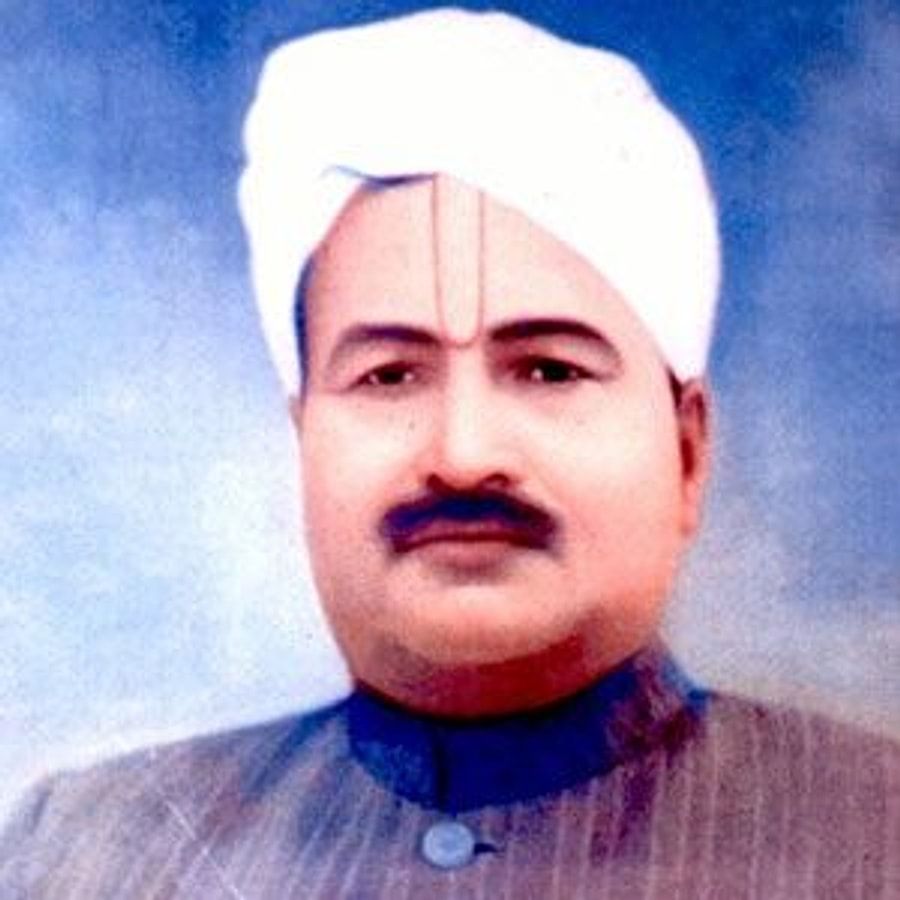
The Founder & Visionary
A towering figure of post-independence philanthropy, Seth Girdhardas Mundhra believed that a nation rebuilds itself through its classrooms. In 1948 he put that conviction behind Bharatiya Vidya Mandir, funding free schooling for working-class children who had been forced to abandon their studies.
He served as President of Rajasthan Bal Bharati and had already secured land to build it a permanent home when he died, leaving the plan unfinished. Both his sons, Shri Madhodas Mundhra and Shri Jagmohan Das Mundhra, carried his commitment to BVM forward.
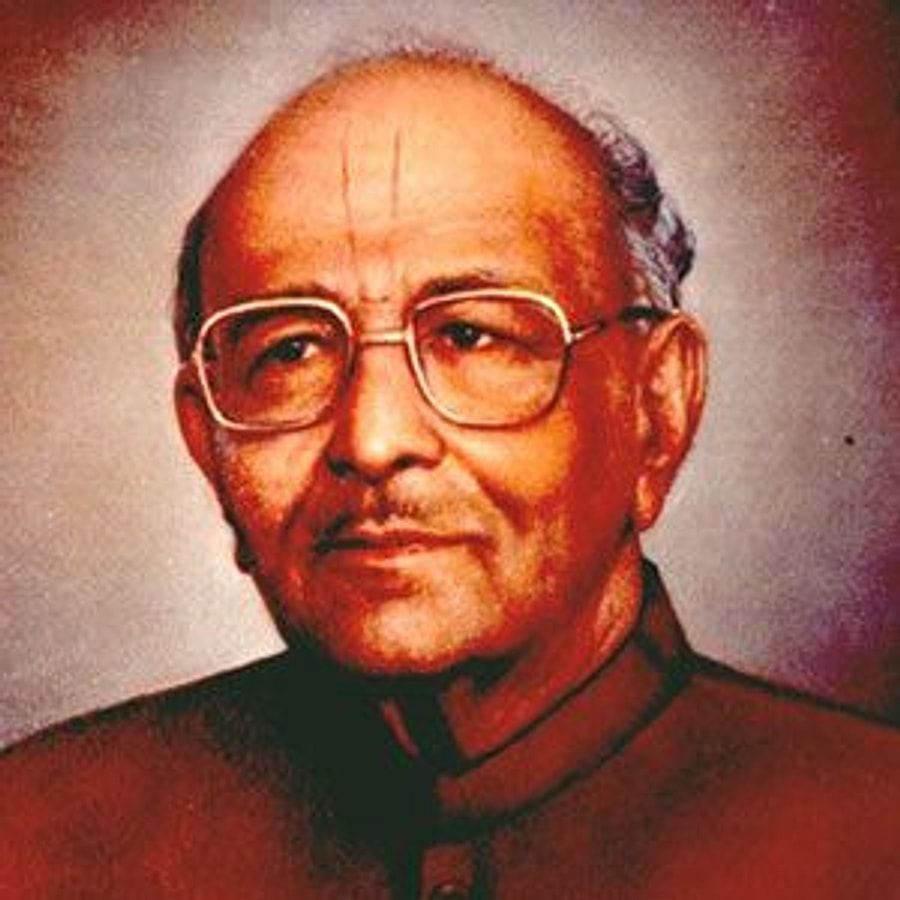
Patron & Author
Shri Madhodas Mundhra carried the founding vision into its second generation, widening BVM's literary programme and authoring works of his own — among them Sukhi Jeevan, still in the BVM catalogue today.
When four decades of independent operation had left the organisation in financial difficulty, he stepped in at the management committee's request: Shri Charity Trust, of which he was Managing Trustee, took on its funding. On 1 April 1988 the Trust formally established Girdhardas Mundhra Sikshan Sansthan as the governing body for every institution under the BVM name, renaming several of them in his father's honour.
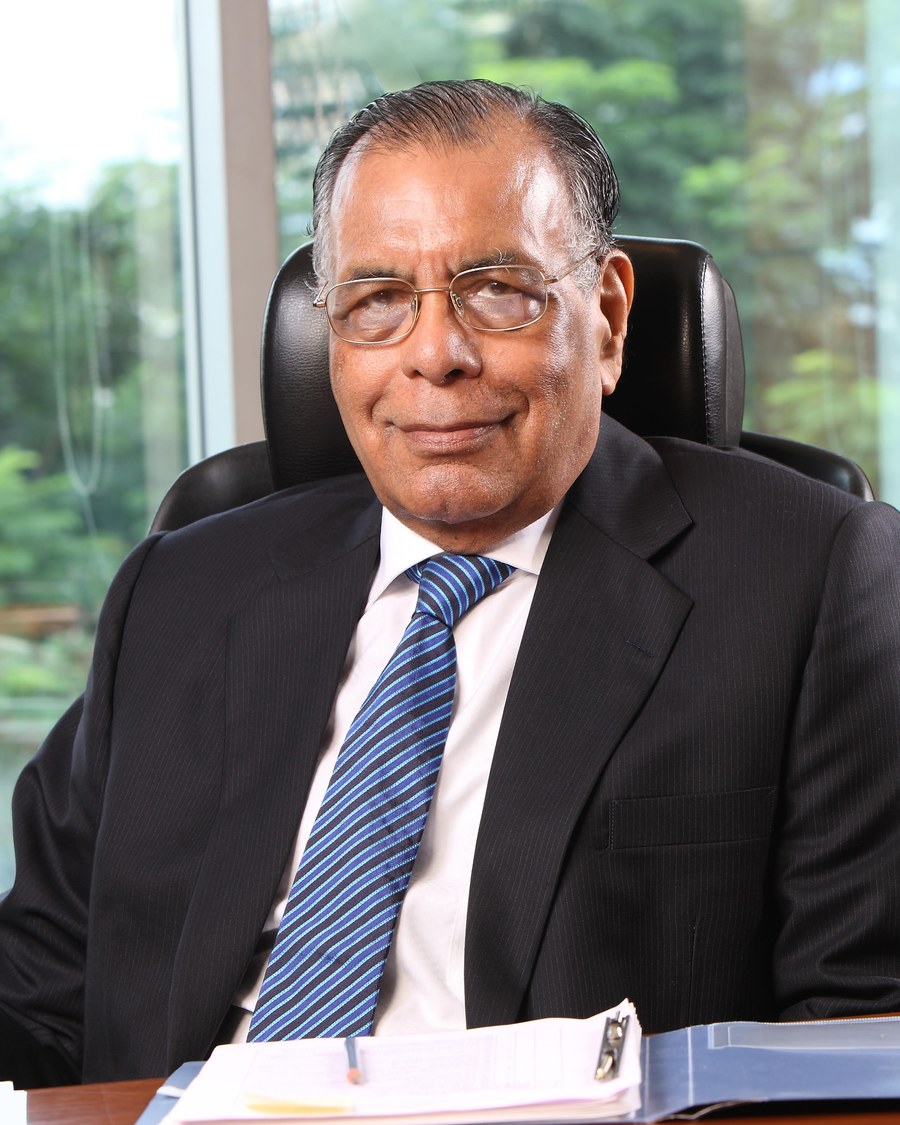
Group Chairman & Patron
Simplex Infrastructures Limited, the Kolkata-headquartered construction major Dr. Bithal Das Mundhra leads, became a benefactor of Bharatiya Vidya Mandir in 2005. Under his guidance the partnership has since underwritten BVM's technical training wing and moved its publishing division to Kolkata, where Vaichariki became a bi-monthly magazine in 2010.
He now chairs the Managing Committee overseeing every arm of BVM, from its schools and research institute to the training programmes run with Simplex on live construction sites across the country.
Sixteen names stand behind the institution's first year — men who lent it their guidance, their support, and their means, in a Bikaner inaugurated on Raksha Bandhan by Rajasthan's Education Minister.
Founded, inspired and guided by
Ably supported by
With the financial support of
"हमारा उद्देश्य उन कामकाजी वर्गों को शिक्षा प्रदान करना था जिन्हें अपनी पढ़ाई छोड़नी पड़ी थी, यह सुनिश्चित करते हुए कि ज्ञान की यात्रा में कोई पीछे न छूटे।"